

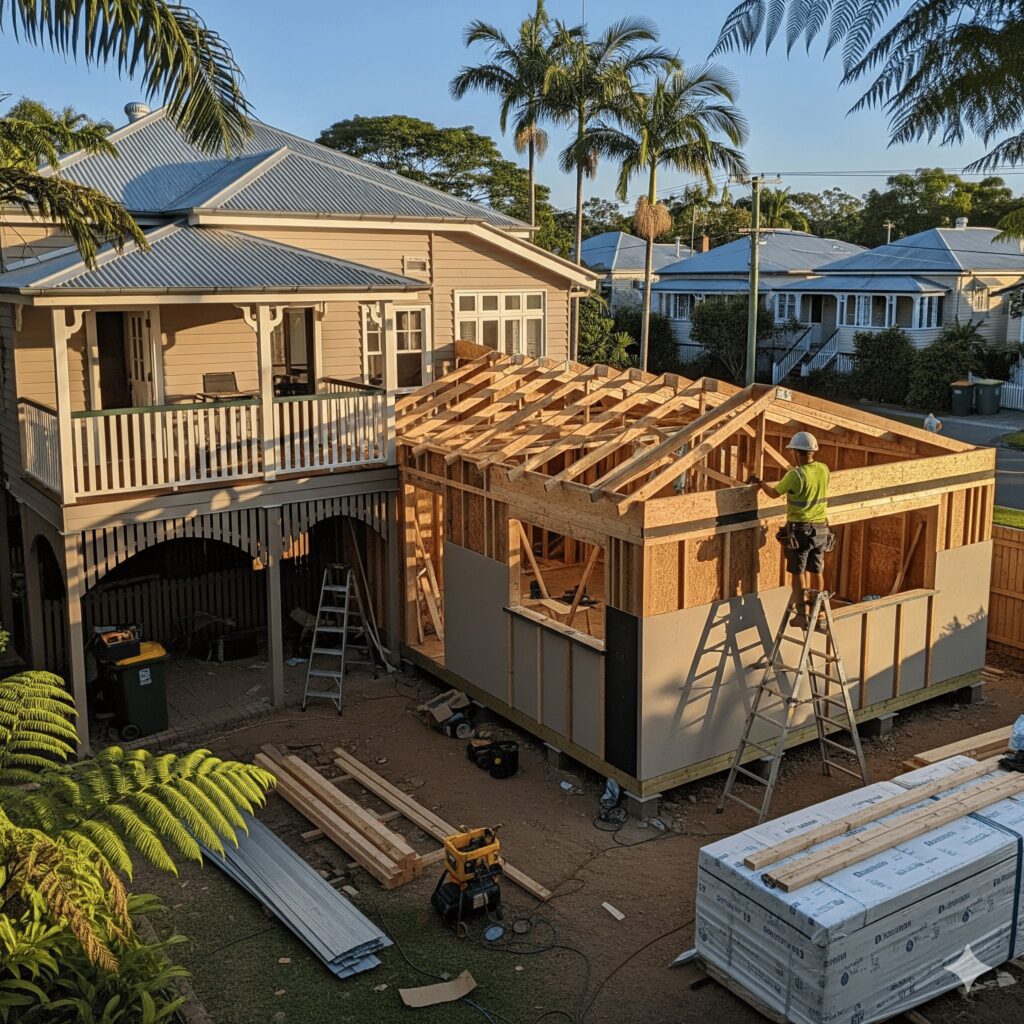
Granny flats are one of those projects where people usually start with a simple idea.
“We just need an extra bedroom.”
“Mum might move in.”
“The kids need their own space.”
But once we sit down and really talk it through, the conversation usually gets bigger than that.
Because if you’re going to build, you may as well build smart.
At Renovare, we don’t look at granny flat extensions as just an add on. We look at them as an investment decision. Done properly, they add flexibility and real value to your property. Done poorly, they can feel like an afterthought that costs more than it should and does not deliver long-term benefits.
So here is what we tell clients upfront.
First Question: Attached or Detached?
This is not just a design choice. It is a planning and compliance decision.
The right answer depends on your block, your home, and local council regulations.
If you have a Queenslander, there is often an opportunity underneath. Sometimes we can enclose existing space. Other times we need to raise and build under to meet legal ceiling heights. That is where experience matters, because compliance cannot be shortcut.
Attached granny flats are typically more cost-effective because they utilise the existing structure.
Detached granny flats are essentially a small home. They require careful planning around services, positioning, privacy, and design consistency to ensure they enhance your property rather than detract from it.
It is also important to understand that granny flats, often referred to as secondary dwellings, are governed by local council planning rules, which vary depending on where you live.
Across Australia, size limits typically range from 50m² to 80m². For example:
Brisbane City Council allows up to 80m².
Moreton Bay Regional Council allows approximately 50m².
Many areas of New South Wales allow around 60m².
Because these rules differ between councils and planning schemes, confirming what applies to your specific property is a critical first step before design or pricing begins.
Second Question: The ROI Conversation Most People Do Not Have
A lot of people come to us asking for just another room.
But often the better question is whether it should be a fully self-contained space instead.
A well-designed granny flat can increase overall property value, improve resale appeal, create rental income where permitted, future-proof the home for ageing parents, give teenagers or adult children independence, and add functional, usable space.
Across Australia, properties with well-designed secondary dwellings are becoming increasingly attractive to buyers. Rising housing costs and a shift toward multigenerational living are driving this.
From a cost perspective, most homeowners are surprised by where projects sit in today’s market.
- Simple attached conversions typically range from 220,000 to 280,000.
- Fully self-contained builds often range from 280,000 to 350,000 or more.
- Higher end detached dwellings can range from 320,000 to 400,000 or more.
The key is not just what you spend, but what that investment returns in flexibility, liveability, and long-term value.
Question Three: The Real Concerns
Most homeowners are not worried about the design.
They are concerned about budget blowouts, project delays, poor communication, and builder reliability.
These concerns are valid.
In recent years, the Australian construction industry has seen several builder insolvencies. This makes it even more important to work with a builder who has a structured process and a stable, well-managed business behind it.
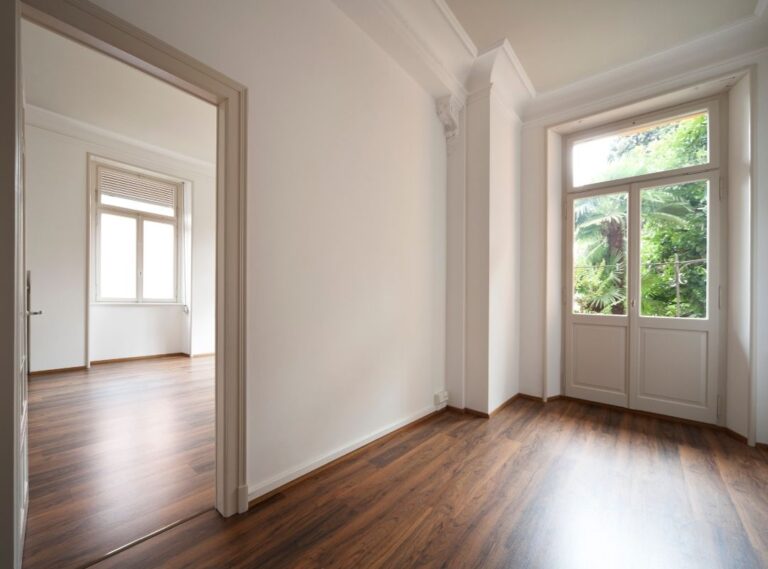
The Renovare Process: Concept. Approval. Build.
We keep things simple, but structured with our build process.
Concept
We assess feasibility, zoning, overlays, site constraints, and your long-term goals. This is where the most important decisions are made.
Approval
Detailed drawings, engineering, scope, and approvals are completed before construction begins, leaving no grey areas.
Build
With proper planning in place, construction runs smoothly with clear communication, controlled timelines, and consistent supervision.
Can You Rent Out a Granny Flat?
This is one of the most common questions we get.
Many homeowners consider granny flats as a way to generate rental income. In many parts of Australia, this is possible, but it depends on local council regulations.
Some councils historically required granny flats to be occupied by members of the same household. However, planning policies have gradually changed, and many areas now allow more flexible arrangements.
Before planning a granny flat as an investment, you should confirm whether independent tenancy is permitted, what planning requirements apply, what parking is required, and how services will be connected.
Where rental use is allowed, a granny flat can create an additional income stream that helps offset mortgage costs while increasing overall property value.
In strong markets like South East Queensland, dual-living properties are becoming increasingly attractive to both investors and owner-occupiers.
Is a Granny Flat Right for You?
Granny flats can solve space problems, create independence, generate income, and increase resale value, but only when they are planned properly from the beginning.
The key is to make sure the design, budget, and intended use all align with your property and long-term goals.
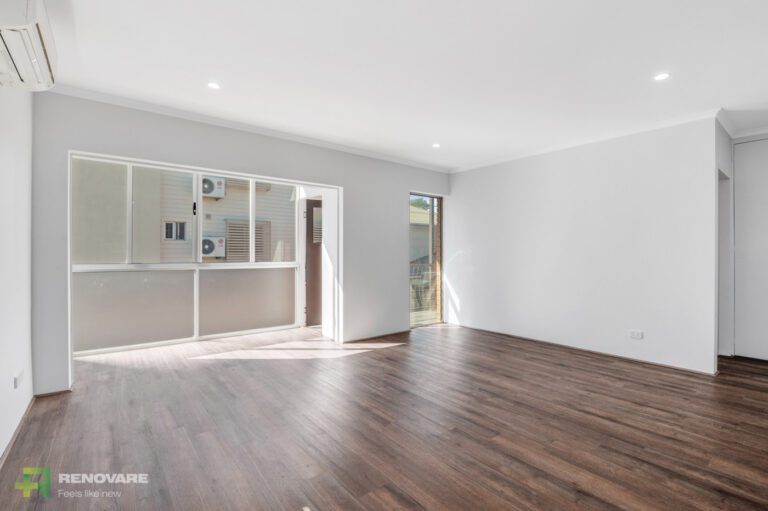
Get Started With Renovare Today!
A granny flat done properly is more than extra space.
It is flexibility.
It is future planning.
It is a smarter investment in your property.
If you are considering adding a granny flat, whether attached, detached, or integrated into your existing home, the best first step is a proper feasibility discussion.
We will assess your property, talk through budget and return on investment, and give you a clear understanding of what is possible.
Call Renovare on 1300 049 516 to book your consultation and start with the Concept stage.